
Introduction
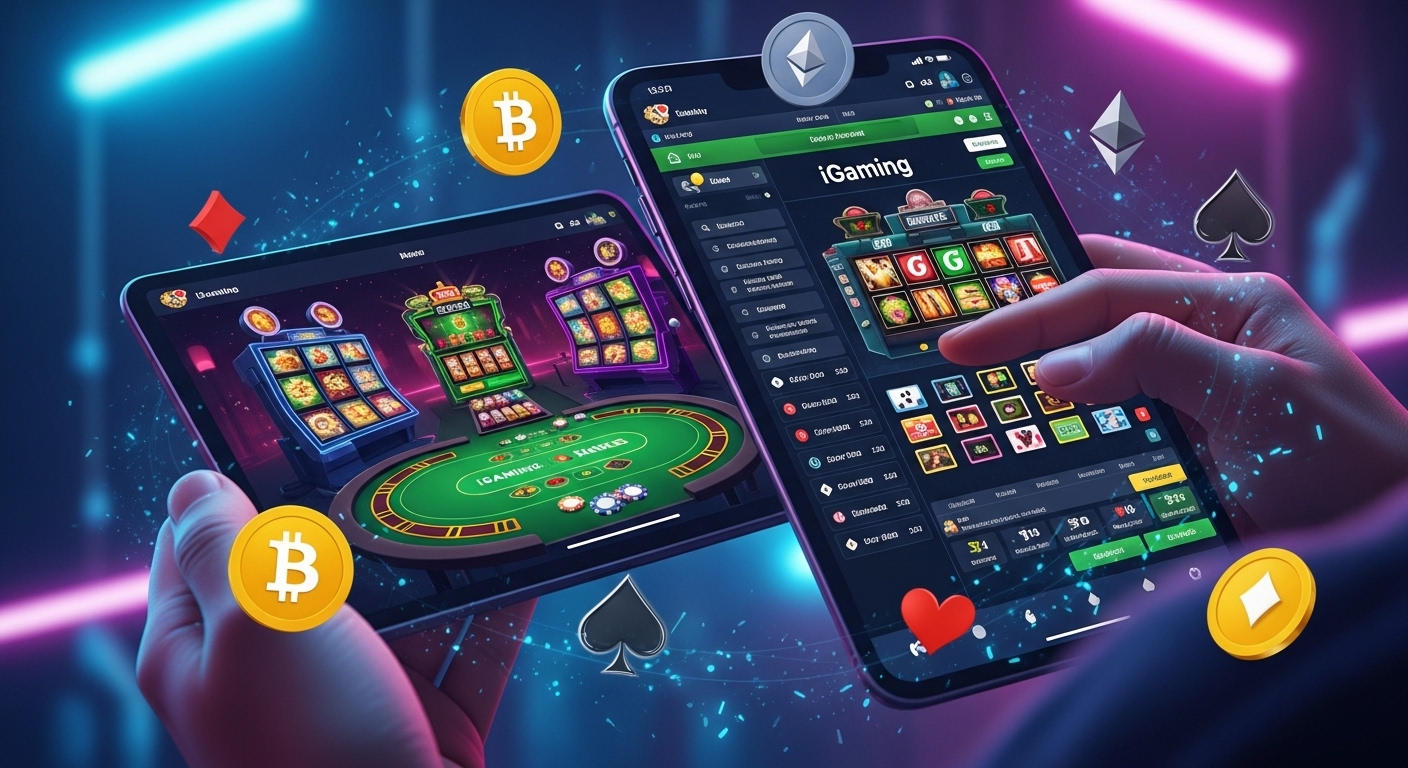
The digital transformation of entertainment has reshaped how people interact, communicate, and even play. Among the most significant developments in this evolution is the rise of iGaming, a term that encompasses online casinos, sports betting, poker, and other interactive gaming platforms conducted over the internet. What once required physical visits to casinos or betting shops can now be accessed instantly through a smartphone or computer. The world of iGaming is dynamic, competitive, and continuously expanding. It has revolutionized the gaming industry, combining technology, psychology, and entertainment into one of the fastest-growing digital markets of the twenty-first century.
The Origin of iGaming
The story of iGaming begins in the mid-1990s, when the internet was still a new and unexplored territory. As connectivity improved and personal computers became household essentials, innovators saw an opportunity to bring traditional gambling experiences into the digital world. The first online casinos appeared around 1994, offering simple versions of blackjack, roulette, and slots. These early platforms were basic by today’s standards, but they captured the imagination of players who were fascinated by the novelty of playing and winning real money online.
As technology progressed, so did the sophistication of iGaming platforms. Software developers began creating better graphics, sound effects, and user interfaces to replicate the excitement of physical casinos. The introduction of secure online payment systems gave players confidence, while new licensing bodies and regulations helped legitimize the industry. What started as an experiment soon became a global phenomenon.
The Growth and Globalization of iGaming
By the early 2000s, iGaming had evolved into a multibillion-dollar industry. The widespread adoption of broadband internet and mobile technology accelerated its growth. Today, iGaming reaches players across continents, transcending borders and time zones. Whether someone is playing a live poker tournament in Europe or placing sports bets in Asia, the digital gaming world operates seamlessly.
The growth of iGaming has also been fueled by the diversity of its offerings. Online casinos provide countless variations of traditional games, while sports betting platforms cover everything from football and cricket to virtual esports tournaments. Lotteries, bingo, and fantasy sports further expand the range of choices available to players. This variety ensures that iGaming appeals to both casual players seeking entertainment and professionals pursuing serious competition.
The convenience of 24-hour access, the ability to play from home, and constant innovation have made iGaming one of the most resilient sectors of the entertainment industry.
The Technology Behind the Experience
At the heart of iGaming’s success is technology. The industry thrives on innovation, using advanced tools to enhance user experience and ensure fairness. Random Number Generators are used in digital casino games to guarantee unpredictability, while sophisticated algorithms power online sports betting systems that calculate odds in real time.
The rise of mobile gaming has played a vital role in expanding the iGaming market. Smartphones have made it possible for people to enjoy their favorite games anytime, anywhere. Mobile apps provide smooth interfaces, fast transactions, and interactive designs that rival desktop experiences. Cloud technology ensures that games run efficiently even on modest devices, while data analytics helps operators personalize offers and promotions.
The use of Artificial Intelligence and Machine Learning has also transformed the iGaming landscape. AI helps detect fraud, identify problematic gambling behavior, and tailor user experiences to individual preferences. Virtual Reality and Augmented Reality are taking immersion to new levels, recreating the feeling of being in a real casino with lifelike interactions and 3D environments.
The Role of Regulation in iGaming
As iGaming expanded, so did the need for proper regulation. Governments and licensing authorities around the world recognized the importance of overseeing the industry to ensure fairness, transparency, and player protection. Regulatory bodies set standards for game integrity, advertising, and responsible gambling.
Licensing requirements differ across regions, but the goal remains the same: to maintain trust between operators and players. Licensed platforms must comply with strict security measures to protect user data and financial transactions. They are also required to promote responsible gaming practices, offering tools like deposit limits, time tracking, and self-exclusion options.
These regulations not only protect consumers but also help build credibility for the industry. As a result, iGaming has gained legitimacy as a safe and entertaining form of digital recreation in many parts of the world.
The Psychology of iGaming
Part of what makes iGaming so appealing lies in human psychology. The thrill of anticipation, the excitement of winning, and the social element of competition create powerful emotional experiences. Game designers understand these psychological triggers and use them to make gameplay engaging.
Elements like bright colors, sound effects, and rewards are carefully crafted to stimulate pleasure and motivation. The inclusion of leaderboards, achievements, and loyalty programs taps into the human desire for recognition and progress. These features enhance enjoyment while keeping players engaged for longer periods.
However, the same psychological factors that make iGaming exciting can also lead to challenges. For this reason, responsible gaming initiatives are crucial. Education, awareness, and self-control tools are essential for ensuring that gaming remains a positive experience. Many operators now integrate responsible gaming systems that help users track habits and make informed choices.
The Social Aspect of iGaming
Contrary to the stereotype of solitary online players, iGaming has become a highly social activity. Live dealer games, multiplayer poker rooms, and chat features allow players to interact in real time. Streaming platforms enable players to share their experiences, learn strategies, and even build communities around specific games.
The growth of live casino gaming is one of the most significant trends in this area. Using real-time video streaming, players can engage with professional dealers, ask questions, and participate in authentic casino games from the comfort of their homes. This blend of technology and social interaction bridges the gap between virtual and real-world experiences.
In addition, tournaments and leaderboards create a sense of global competition. Players from different countries can test their skills against one another, forming international friendships and rivalries. This social connectivity adds depth and meaning to the iGaming experience.
The Economic Impact of iGaming
The financial influence of iGaming extends beyond entertainment. The industry contributes billions of dollars in revenue each year, supporting thousands of jobs worldwide. Software developers, designers, marketers, data analysts, and customer support professionals all play a role in sustaining the ecosystem.
Many countries that have legalized and regulated iGaming have seen positive economic effects. Tax revenues from licensing and gaming operations fund public projects, while local economies benefit from associated industries such as technology development and digital marketing. The competitive nature of the market also encourages innovation, driving technological advancement that extends beyond gaming itself.
Responsible Gaming: Balancing Fun and Awareness
As iGaming grows, maintaining a balance between enjoyment and responsibility becomes increasingly important. Responsible gaming means ensuring that players remain in control of their behavior and that gambling remains a form of entertainment rather than a problem.
Modern iGaming platforms invest heavily in promoting responsible gaming practices. Features like spending limits, activity tracking, and voluntary self-exclusion help players manage their habits. Educational campaigns raise awareness about the risks of excessive gaming, while support programs provide assistance for those who need it.
Technology also assists in identifying potential issues early. Artificial Intelligence systems can analyze player patterns and detect signs of unhealthy behavior, triggering interventions or recommendations. This combination of technology and ethics ensures that iGaming remains sustainable for both businesses and players.
Innovation and the Future of iGaming
The future of iGaming promises even more exciting developments. Artificial Intelligence will continue to improve personalization, tailoring games and promotions to individual preferences. Virtual Reality and Augmented Reality will make online gaming experiences almost indistinguishable from visiting a real casino. Blockchain technology is likely to play a key role in enhancing transparency, ensuring that transactions and game results are verifiable and tamper-proof.
Mobile gaming will remain a dominant force, driven by faster internet connections and improved devices. The integration of wearable technology could further expand gaming accessibility, while cross-platform play will allow users to move seamlessly between devices.
Moreover, the convergence of gaming and entertainment will create entirely new experiences. Imagine interactive live shows where viewers can bet, play, and influence outcomes in real time. The boundaries between entertainment, gaming, and social interaction will continue to blur, creating limitless possibilities.
The Cultural Influence of iGaming
iGaming has not only reshaped entertainment but also influenced culture and lifestyle. The imagery, language, and themes of online casinos appear in movies, music, and art. Popular culture embraces the glamour and thrill of gaming, celebrating both the excitement and sophistication of digital play.
The inclusivity of iGaming has also diversified its audience. No longer limited to specific demographics, it attracts players of all ages and backgrounds. This inclusivity fosters creativity and innovation, as developers strive to design experiences that appeal to a global audience.
As society becomes more digital, iGaming reflects a broader cultural shift toward instant access, personalization, and global connectivity. It represents not just a pastime but a symbol of modern digital life.
Conclusion
The rise of iGaming is a remarkable story of innovation, technology, and human curiosity. What began as a niche experiment has grown into one of the most influential industries in the world. It combines the timeless appeal of games of chance with the limitless potential of modern technology.
iGaming’s journey reflects humanity’s desire for connection, excitement, and challenge. It is not merely about winning or losing but about the experience—the thrill of competition, the joy of discovery, and the community built through shared play. As the industry continues to evolve, the focus on fairness, responsibility, and innovation will ensure its sustainability and integrity.
The digital casino revolution is far from over. With each technological leap, iGaming becomes more immersive, inclusive, and engaging. It is a testament to how far technology has brought us—and a glimpse into the boundless possibilities of the future of play.