
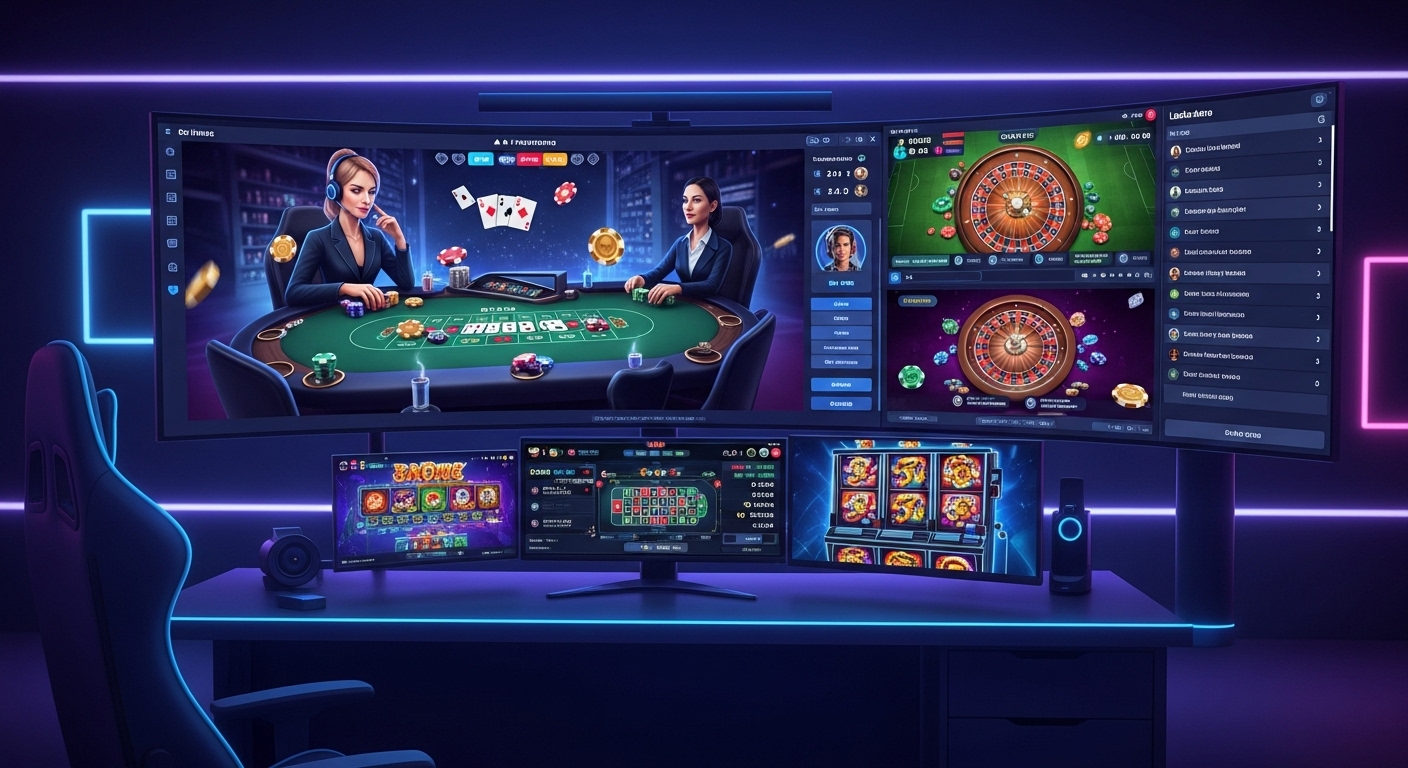
Introduction: The Digital Transformation of Gaming
The digital revolution has reshaped nearly every industry, and the entertainment sector is no exception. One of the most significant transformations in recent years is the rise of iGaming. iGaming refers to all forms of online gaming and gambling, including online casinos, poker, sports betting, and esports wagering. Unlike traditional gaming, which required a visit to a physical casino or betting venue, iGaming leverages digital platforms to provide instant access to games from anywhere in the world.
The allure of iGaming lies in its accessibility, variety, and the immersive experiences it offers players. Millions of users now engage with online gaming daily, attracted not only by the potential for rewards but also by the combination of entertainment, strategy, and social interaction. The industry has become a global phenomenon, blending innovation, technology, and consumer demand into a powerful and constantly evolving digital ecosystem.
The Growth of the iGaming Industry
The iGaming industry has experienced unprecedented growth over the past decade. Factors such as the widespread availability of high-speed internet, the proliferation of smartphones, and the development of sophisticated digital platforms have driven this growth. Players can now access a wide range of games with just a few clicks, eliminating the limitations of geography and time.
Moreover, regulatory developments in many countries have helped formalize and expand the market. By establishing legal frameworks for online gambling, governments have created safe environments for players while generating significant economic benefits. These regulations have also encouraged innovation and competition, pushing operators to enhance user experiences and expand game offerings.
Technological Innovations Driving iGaming
The rapid expansion of iGaming is closely tied to technological advancements. Technology not only facilitates seamless gameplay but also enhances security, personalization, and engagement. Several innovations have played key roles in shaping the modern iGaming experience.
Mobile Gaming
Mobile technology has revolutionized iGaming. Players no longer need to sit at a desktop computer to enjoy their favorite games; they can play anytime, anywhere. Mobile-optimized websites and apps provide smooth gameplay, intuitive interfaces, and high-quality graphics. Push notifications, mobile-exclusive bonuses, and real-time updates enhance engagement, making mobile gaming one of the most important aspects of the iGaming industry.
Artificial Intelligence
Artificial intelligence is becoming increasingly critical in iGaming. AI algorithms analyze player behavior to provide personalized game recommendations and tailored promotions. This personalization helps retain players and increases engagement. Additionally, AI strengthens security by detecting unusual activity and preventing fraud. AI-driven chatbots also offer instant customer support, helping players navigate the platform efficiently and ensuring a positive experience.
Virtual and Augmented Reality
Virtual reality (VR) and augmented reality (AR) are beginning to redefine online gaming. VR creates fully immersive casino environments where players can interact with dealers and other participants in real time. AR, on the other hand, overlays digital elements onto the real world, creating hybrid experiences that blend physical and virtual gaming. Although these technologies are still developing, they have the potential to transform iGaming by offering more realistic, engaging, and interactive experiences.
Popular iGaming Segments
iGaming encompasses a wide variety of game types, each catering to different player preferences. Understanding these segments helps explain the broad appeal of the industry.
Online Casino Games
Online casinos form the foundation of iGaming. Slot games are among the most popular, thanks to their simplicity, vibrant themes, and potential rewards. Table games such as blackjack, roulette, and baccarat appeal to players who enjoy strategy and skill. Live dealer games combine the convenience of online gaming with the social interaction of traditional casinos, providing a more realistic and engaging experience.
Poker
Poker has long been a favorite among competitive players, and its transition to digital platforms has expanded its reach. Online poker rooms host tournaments, cash games, and multiplayer formats that attract players from around the globe. The strategic depth of poker, combined with the convenience of online access, makes it one of the most enduring and popular forms of iGaming.
Sports and Esports Betting
Sports betting has become a major component of iGaming. Players can wager on traditional sports like football, basketball, and tennis, as well as emerging esports competitions. Esports betting, in particular, has attracted a younger demographic, offering an entirely new form of engagement. The combination of competitive gaming and wagering has created an exciting hybrid market within the industry.
User Experience and Platform Design
A key factor in the success of iGaming platforms is the user experience. Players are drawn to platforms that offer intuitive design, smooth navigation, and immersive interfaces.
Accessibility and Usability
Modern iGaming platforms prioritize accessibility, ensuring that games and features are easy to navigate. User-friendly layouts, responsive design, and multilingual support allow players of all backgrounds to enjoy the platform. Customizable dashboards and user preferences enhance the experience, allowing players to engage with games in a way that suits their individual style.
Security and Fairness
Security and fairness are critical for player trust. Platforms employ advanced encryption technologies to protect personal and financial information. Random number generators and third-party audits ensure fair outcomes for all games. By maintaining high standards of security and integrity, platforms build credibility and foster long-term player loyalty.
The Economic Impact of iGaming
iGaming contributes significantly to the global economy. Legalized platforms generate substantial tax revenues, create employment opportunities, and stimulate industries such as software development, cybersecurity, and payment processing. Developers, marketers, and support teams all benefit from the growth of the industry, while technological innovations often spill over into other sectors.
The industry also promotes financial inclusion by offering convenient and secure digital payment solutions. Players can easily deposit and withdraw funds, further enhancing the attractiveness of online gaming platforms.
Responsible Gaming Practices
As iGaming grows, promoting responsible gaming becomes increasingly important. Platforms now offer tools to help players manage their activity, including deposit limits, self-exclusion options, and real-time activity monitoring. Education on responsible gaming is essential to ensure that players enjoy the entertainment safely and avoid potential financial or psychological harm.
Responsible gaming initiatives protect both players and the integrity of the industry. By encouraging ethical behavior and providing safeguards, iGaming platforms can maintain a sustainable and enjoyable environment for all users.
The Future of iGaming
The future of iGaming is promising, driven by technology, innovation, and expanding markets. Blockchain technology has the potential to enhance transparency and create decentralized gaming ecosystems. AI will continue to improve personalization, security, and customer service, while VR and AR will transform immersive gaming experiences.
Regulatory developments will also play a key role, ensuring that markets remain safe and fair while supporting growth. Cross-platform integration will allow seamless transitions between devices, enabling players to engage with their favorite games anywhere, anytime.
The convergence of technology, regulation, and user experience will define the next phase of iGaming, creating a highly sophisticated and accessible entertainment landscape.
Conclusion
iGaming has emerged as one of the most dynamic sectors in the digital entertainment industry. Its growth is fueled by technological innovation, diverse game offerings, and a focus on user experience. Players are drawn to iGaming for the convenience, variety, and interactive nature of digital platforms, while operators continue to innovate and expand their reach.
The economic impact of iGaming, combined with its cultural and technological influence, solidifies its position as a key component of modern entertainment. As technology evolves and markets expand, iGaming will continue to offer immersive, engaging, and personalized experiences to millions of players worldwide.
The digital gaming revolution is ongoing, and iGaming represents the forefront of this transformation, redefining the way the world experiences entertainment in the digital age.