
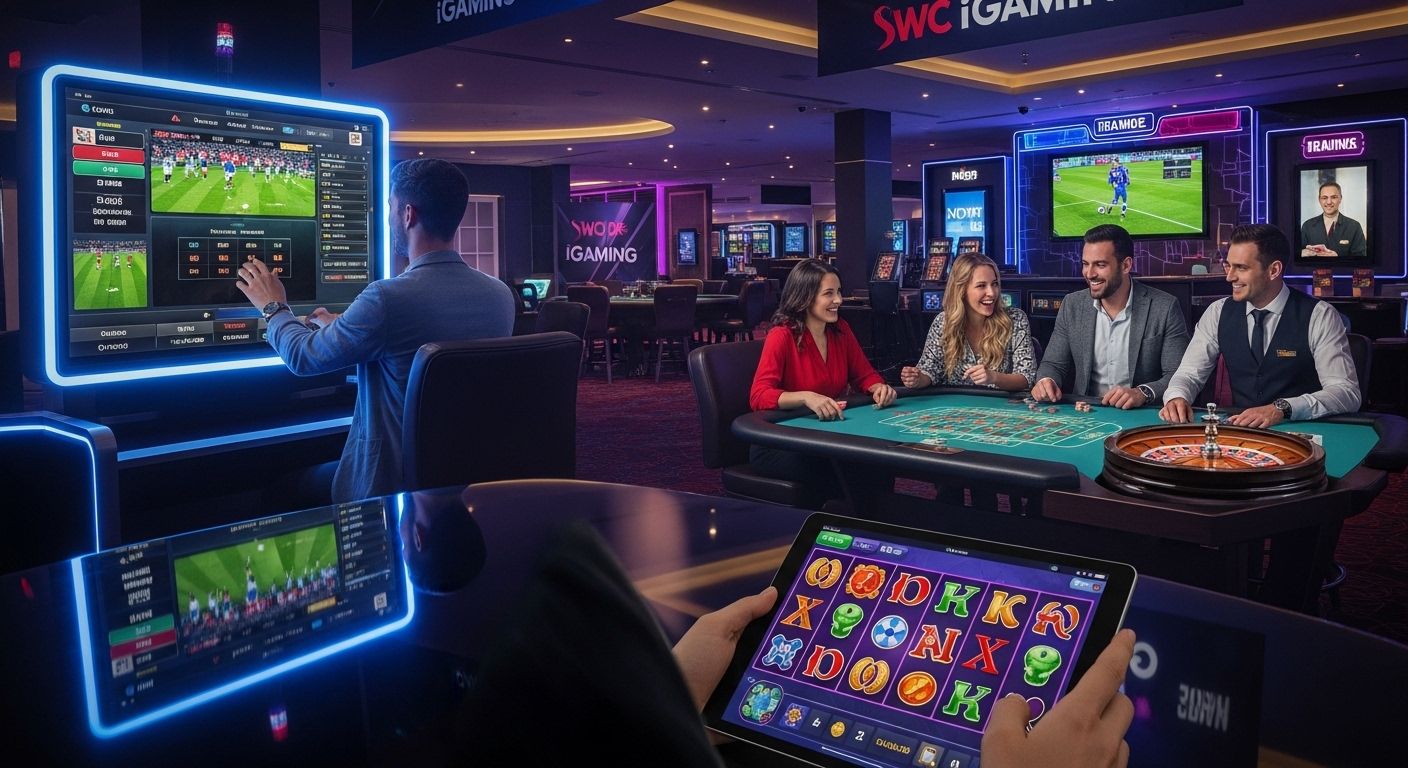
Introduction: The Rise of iGaming
In the past decade, the gaming world has experienced a revolutionary shift. iGaming, or internet gaming, has transformed how people interact with games of chance and skill. Unlike traditional gambling in physical casinos, iGaming allows players to access a wide range of games from the comfort of their homes or on the go via mobile devices. Online slots, poker, roulette, sports betting, and live dealer experiences have created an expansive digital ecosystem, providing entertainment, social interaction, and financial opportunities. This blog explores the evolution of iGaming, its impact on technology and society, its economic significance, and the challenges and opportunities that lie ahead.
The Evolution of iGaming
The concept of iGaming can be traced back to the 1990s, when internet connectivity started becoming widely available. Early online casinos offered simple games like blackjack and roulette, with basic graphics and limited interactivity. As technology advanced, the industry grew exponentially, incorporating secure payment systems, realistic graphics, and engaging gameplay.
Today, iGaming is a multi-billion-dollar global industry. Modern online casinos offer immersive experiences, with live dealer games streamed in real-time, interactive interfaces, and mobile-friendly platforms. The industry has evolved from a novelty into a mainstream form of entertainment, attracting casual gamers and professional players alike. The introduction of mobile apps and digital wallets has further simplified access, making iGaming more convenient than ever.
Technology at the Core of iGaming
Technology is the backbone of the iGaming industry. Advanced software, robust algorithms, and high-speed internet connections ensure a seamless gaming experience. Random number generators guarantee fairness in games of chance, while sophisticated graphics and animations create visually engaging environments.
Live dealer games represent one of the most significant technological advancements in iGaming. By streaming real-time interactions between professional dealers and players, these games combine the excitement of physical casinos with the convenience of online access. Augmented reality and virtual reality are also emerging technologies within iGaming, offering immersive environments that simulate walking into a real casino or interacting with opponents in a virtual setting.
Mobile technology has been particularly transformative, allowing players to engage in iGaming anywhere, anytime. Optimized mobile apps, combined with fast internet speeds, have made it possible for gaming experiences to be fluid, interactive, and highly personalized.
Economic Impact of iGaming
The economic footprint of iGaming is significant and growing. The industry generates billions in revenue globally through online casinos, poker tournaments, sports betting platforms, and lotteries. Governments also benefit from taxation and licensing fees, which contribute to public services and infrastructure development.
iGaming has created employment opportunities across multiple sectors. Software developers, designers, data analysts, marketing specialists, and customer support professionals are just some of the roles required to sustain the industry. Additionally, the growth of affiliate marketing and streaming platforms related to iGaming has created indirect employment, allowing content creators and influencers to earn revenue through online engagement.
The industry also encourages technological innovation. Payment systems, security protocols, and gaming software continue to improve in response to iGaming demands, creating a ripple effect that benefits other sectors in technology and finance.
The Psychological and Social Aspects of iGaming
iGaming is not just about financial stakes; it also offers entertainment, social interaction, and mental engagement. Many games require strategic thinking, probability analysis, and decision-making skills, stimulating the brain in ways similar to traditional games and puzzles.
Online poker, for example, is both a game of skill and a social activity. Players compete against each other, developing strategies and reading opponents’ patterns. Multiplayer environments in iGaming encourage collaboration, competition, and camaraderie, allowing players to connect with others across the globe.
However, it is important to acknowledge the risks associated with iGaming. The convenience and accessibility of online platforms can sometimes lead to compulsive gaming. Responsible gaming practices, including time management, self-limits, and access to support resources, are essential to maintaining a healthy relationship with iGaming.
iGaming and Regulation
Regulation plays a crucial role in maintaining the integrity and sustainability of iGaming. Governments and regulatory bodies establish licensing requirements, fairness standards, and security protocols to protect players and operators alike. Regulatory frameworks ensure that games are fair, payments are secure, and operations are transparent.
Responsible iGaming also involves strict adherence to age restrictions, self-exclusion programs, and measures to prevent gambling addiction. Regulatory oversight creates a safer environment for players, building trust in digital platforms and promoting long-term industry growth.
The Role of Cryptocurrencies in iGaming
Cryptocurrencies have introduced a new dimension to the iGaming industry. Digital currencies like Bitcoin, Ethereum, and stablecoins allow for faster, more secure, and sometimes anonymous transactions. Crypto payments reduce the need for traditional banking methods and allow players from regions with restricted banking access to participate in online gaming.
Additionally, blockchain technology offers transparency and traceability, enhancing trust between players and platforms. Smart contracts can automate payouts and verify the fairness of games, providing a more reliable and secure experience. As cryptocurrencies gain mainstream acceptance, their integration into iGaming is likely to grow, creating new opportunities for innovation and engagement.
Mobile Gaming and Accessibility
The rise of smartphones and tablets has transformed iGaming accessibility. Players no longer need to be at a desktop computer to engage with their favorite games. Mobile-optimized platforms and apps allow users to play on the go, whether commuting, traveling, or relaxing at home.
Mobile gaming also encourages innovation in user interface design, interactive features, and personalization. Push notifications, gamification, and reward systems keep players engaged, while seamless integration with social media platforms allows sharing, competition, and community building. Mobile iGaming has become a critical driver of growth in the industry, expanding its reach to new demographics and regions worldwide.
Responsible Gaming and Player Safety
With great accessibility comes the responsibility to protect players. The iGaming industry increasingly emphasizes responsible gaming measures, promoting safe habits and mental health awareness. Features like deposit limits, self-exclusion tools, reality checks, and access to support services help players maintain control over their gaming habits.
Education is also a key component. Platforms provide information about the risks of compulsive gaming, teaching players how to recognize warning signs and seek help when necessary. A combination of regulatory oversight, platform features, and public awareness ensures that iGaming remains a fun, entertaining, and safe activity for participants.
The Future of iGaming
The future of iGaming promises continued innovation and expansion. Emerging technologies such as virtual reality and augmented reality will create even more immersive experiences, simulating real-life casino environments and social interactions. Artificial intelligence will enhance personalized gaming experiences, adapting challenges, recommendations, and rewards to individual player preferences.
Cross-platform integration will become more common, allowing players to seamlessly transition between mobile, desktop, and VR environments. Additionally, the use of big data analytics will provide operators with deeper insights into player behavior, enabling better game design, targeted promotions, and enhanced engagement.
Social aspects will also continue to grow. Online tournaments, multiplayer competitions, and streaming communities foster connection, competition, and entertainment, transforming iGaming into a hybrid of social media, esports, and traditional gaming.
Conclusion: The Transformative Power of iGaming
iGaming is more than just digital gambling; it is a dynamic ecosystem that blends technology, entertainment, social interaction, and economic opportunity. From its early days as a simple online novelty to its current status as a global industry, iGaming has continually adapted to new technological and cultural trends.
The industry has created economic opportunities, fostered innovation, and expanded access to gaming around the world. At the same time, responsible practices, regulation, and player safety are crucial to maintaining a sustainable and enjoyable environment. As technology continues to advance, iGaming will evolve further, offering immersive experiences, innovative gameplay, and new opportunities for players and operators alike.
Ultimately, iGaming represents the intersection of entertainment, technology, and human engagement—a digital revolution that continues to reshape the way people play, interact, and experience the thrill of gaming.