
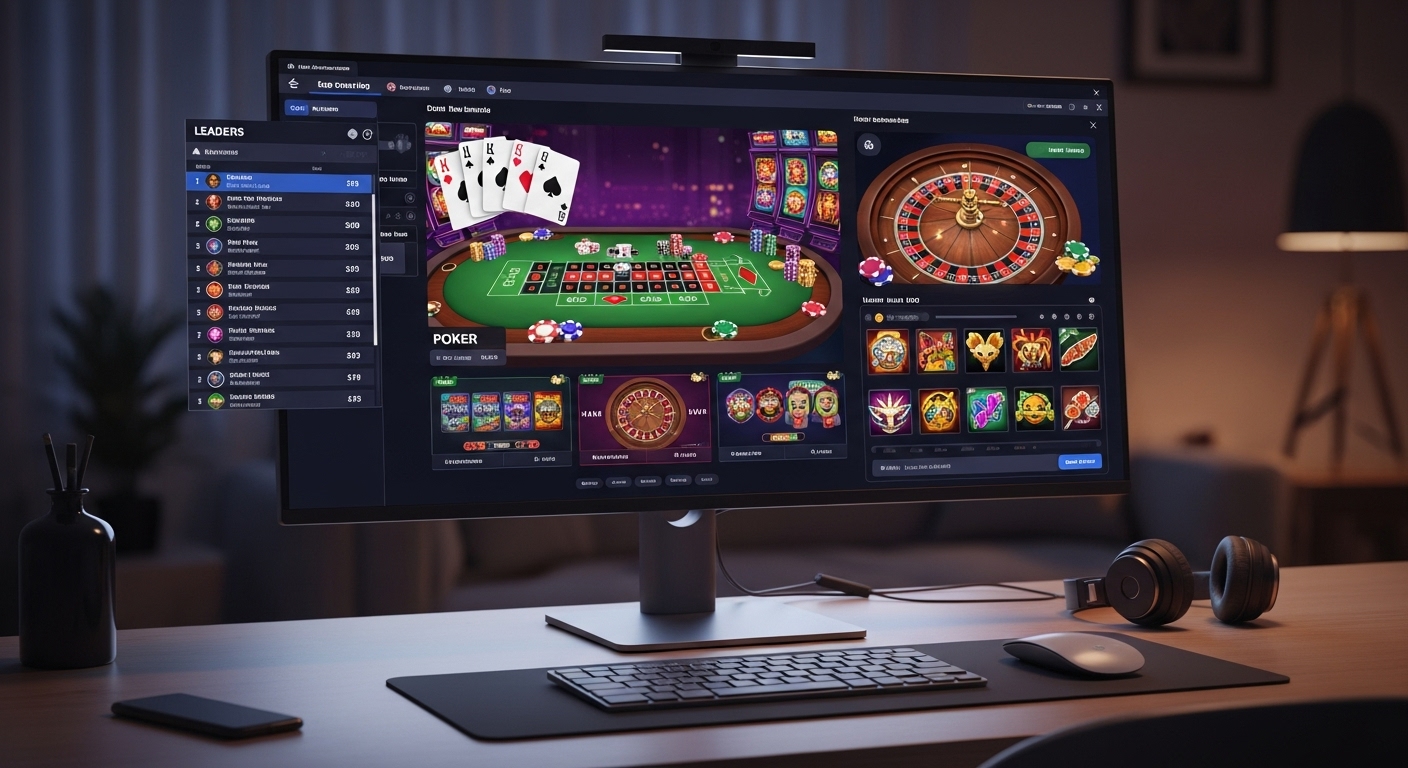
The world of entertainment is constantly evolving, and one of the most significant shifts in recent years has been the rise of iGaming. What was once a niche segment of the digital landscape has now blossomed into a multi-billion-dollar industry, attracting players from around the globe. Whether it’s online casinos, sports betting, or competitive eSports, iGaming is reshaping the way people experience gaming and gambling in the digital age. In this post, we’ll delve into the fascinating world of iGaming, its growth, its impact on the entertainment industry, and the future of this booming sector.
What is iGaming?
iGaming, a term that refers to gaming activities involving real money wagers conducted over the internet, includes a broad spectrum of platforms and activities. Online casinos, poker rooms, sports betting, bingo, and fantasy sports leagues all fall under this category. As technology has advanced, so too has the ability to offer these gaming experiences anywhere, at any time, via computers and mobile devices.
iGaming is essentially an umbrella term that encompasses all forms of interactive gambling. It differs from traditional gambling in its convenience, accessibility, and the variety of options it offers. The key appeal for many players is that it allows them to enjoy the thrill of gambling without having to leave their homes or travel to physical casinos.
The Surge in Popularity of Online Casinos
One of the major components of iGaming that has experienced exponential growth is the online casino industry. Players now have the ability to enjoy a vast range of games, from slot machines to table games like blackjack, poker, and roulette. The seamless integration of high-definition graphics, realistic sound effects, and engaging game mechanics has made online casinos nearly as immersive as visiting a land-based casino, but with added comfort and privacy.
The live dealer feature has also enhanced the online casino experience, allowing players to interact with real human dealers via video streams. This has added a layer of authenticity that many players find attractive, replicating the social aspect of traditional casino gaming.
Sports Betting and Its Digital Transformation
Sports betting is another pillar of the iGaming industry that has seen an incredible transformation in recent years. Thanks to advances in mobile technology and live streaming, fans can now place bets on their favorite sports teams and events from virtually anywhere. The introduction of in-play betting—where bets can be placed during the course of a game—has added a dynamic element to the experience, making it more engaging and interactive.
This rapid growth is also linked to the ongoing efforts to legalize sports betting in various jurisdictions, especially in regions like North America. In the United States, for example, the Supreme Court’s 2018 ruling that allowed states to legalize sports betting has resulted in a flurry of new sportsbooks, both physical and online, emerging across the country. The global expansion of sports betting has cemented its role as a major component of the iGaming landscape.
The Impact of Mobile Gaming on iGaming
The shift toward mobile gaming has been a game-changer for the iGaming industry. Smartphones and tablets have enabled players to access their favorite games at any time, providing a level of flexibility and convenience that was once unimaginable. Whether on the commute to work or relaxing at home, players can engage in everything from slots to sports betting with just a few taps on their screens.
Mobile-first design, alongside user-friendly interfaces and optimized gameplay, has been crucial in ensuring that mobile gaming continues to grow. The increased focus on mobile apps and responsive websites also means that iGaming operators can offer a seamless experience across multiple devices, further enhancing user engagement and retention.
The Rise of eSports and Competitive Gaming
eSports, a form of competitive gaming where players or teams compete in video games for prizes, has surged in popularity in recent years. iGaming platforms have seized the opportunity to offer betting markets for eSports tournaments, bringing a new level of excitement to the industry. With games like League of Legends, Dota 2, and CS:GO drawing massive global audiences, eSports has become a lucrative niche within the iGaming world.
The growing demand for eSports betting is also being met by innovative platforms that offer real-time odds, live streams, and extensive analytics for fans and bettors. As the professional gaming scene continues to grow, the lines between traditional sports betting and eSports are becoming increasingly blurred.
The Legal and Regulatory Landscape of iGaming
As with any rapidly growing industry, iGaming faces a complex legal and regulatory environment. Different countries have varying laws regarding online gambling, with some jurisdictions embracing iGaming, while others impose strict restrictions or outright bans. This patchwork regulatory landscape can create challenges for operators and players alike, particularly when it comes to payment processing, data privacy, and ensuring fair play.
However, the trend toward legalization and regulation of iGaming is gaining momentum. Many governments are beginning to recognize the financial benefits of regulated online gambling markets, which can generate substantial tax revenue and reduce the influence of illegal gambling operations. Responsible gambling measures, such as age verification systems and self-exclusion options, are becoming standard across reputable platforms to promote player safety and ensure that the industry operates ethically.
The Future of iGaming: Trends to Watch
As the iGaming industry continues to evolve, there are several key trends to watch in the coming years:
- Virtual Reality (VR) and Augmented Reality (AR) – The integration of VR and AR into iGaming could provide an entirely new level of immersion. Imagine stepping into a virtual casino or watching an eSports match from a first-person perspective; the possibilities are endless.
- Cryptocurrency and Blockchain – The use of digital currencies like Bitcoin and Ethereum for online gambling is becoming more common, offering players anonymity, faster transactions, and enhanced security. Blockchain technology also promises to provide greater transparency and fairness in gaming.
- Artificial Intelligence (AI) – AI-driven tools are already being used in the iGaming industry to improve customer service, detect fraudulent activity, and personalize gaming experiences. In the future, AI could take on an even more significant role in game design and player interaction.
- Gamification – Many iGaming platforms are incorporating gamification elements, such as rewards, achievements, and levels, to enhance user engagement. This trend will likely continue as operators seek to create more dynamic and engaging experiences for players.
Conclusion: A Thriving Industry with Endless Possibilities
The iGaming industry is no longer just a passing trend. It has become a permanent fixture in the digital entertainment landscape, offering diverse and exciting opportunities for players and operators alike. As technology continues to advance and new innovations emerge, the future of iGaming looks bright. Whether you’re a casual player or a seasoned gambler, the world of iGaming has something to offer, and it’s only going to get bigger, more engaging, and more accessible in the years to come.