
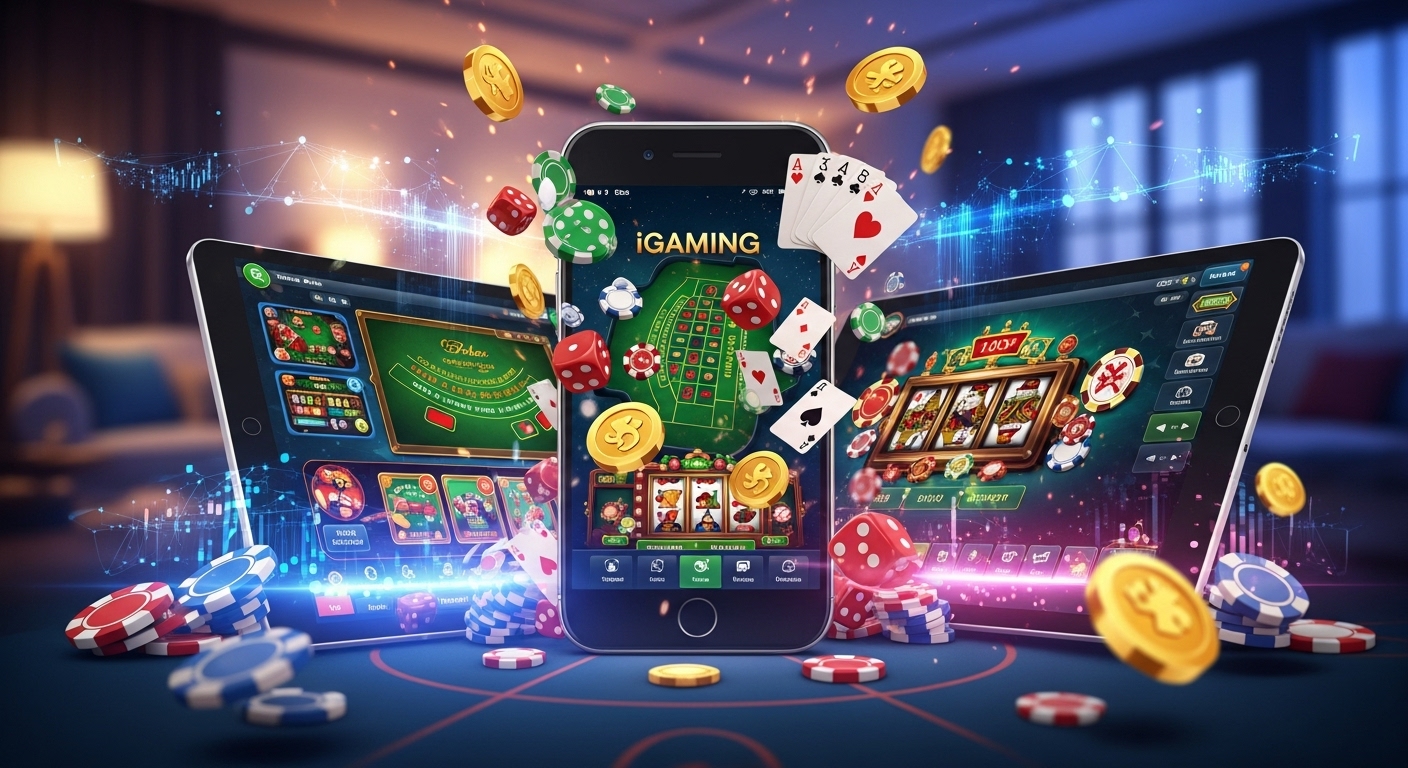
The entertainment landscape has changed dramatically over the past few decades, and few sectors have experienced as rapid a transformation as iGaming. Once limited to basic digital adaptations of traditional games, iGaming has emerged as a global industry that blends technology, creativity, and immersive experiences. Today, millions of people around the world engage with iGaming for entertainment, competition, and social connection. This blog explores the evolution, technological advancements, cultural impact, current trends, challenges, and future potential of the iGaming industry.
What is iGaming?
iGaming, short for interactive gaming, refers to all forms of online gaming activities that include virtual casinos, poker, sports betting, fantasy sports, lottery platforms, and increasingly, esports-related games. Unlike traditional offline gaming, iGaming offers a convenient, accessible, and interactive digital experience that can be enjoyed from anywhere, at any time.
The industry has grown beyond simply recreating physical games online. Today’s iGaming platforms offer innovative designs, advanced gameplay mechanics, and immersive digital environments that engage players in ways that traditional entertainment cannot. It is not only about winning or betting but also about the overall interactive experience.
The Early Days of iGaming
iGaming traces its origins back to the mid-1990s, when the first online casino platforms emerged. These early platforms were basic in design, offering only a few games like digital blackjack, roulette, and poker. Despite their simplicity, they revolutionized gaming by allowing players to engage in digital gambling from their homes, breaking geographical barriers and opening access to millions of users.
The growth of early internet infrastructure enabled iGaming platforms to expand in functionality. Developers began incorporating enhanced graphics, better user interfaces, and interactive features, creating experiences that were more engaging than their offline counterparts. These advancements laid the groundwork for the booming industry that exists today.
Technological Advancements Driving iGaming
Technology has been the primary driver behind iGaming’s success. High-speed internet, mobile computing, cloud technologies, and advanced software development have transformed how games are designed, delivered, and experienced.
Modern iGaming platforms utilize high-quality graphics engines that rival traditional video games, providing visually stunning environments. Mobile technology allows users to play anywhere, ensuring convenience and flexibility. Cloud computing enables seamless gameplay without the need for expensive hardware, while artificial intelligence personalizes experiences, adapts difficulty levels, and offers recommendations tailored to individual players.
Virtual reality (VR) and augmented reality (AR) have also started to revolutionize iGaming, creating immersive and interactive experiences. Players can now enter virtual casinos, interact with digital environments, and experience games in ways that simulate real-world engagement. These technological innovations ensure that iGaming is not just entertainment but an evolving interactive experience.
The Growth of Mobile iGaming
Mobile gaming has become the dominant force in iGaming, driven by the global proliferation of smartphones and tablets. Mobile devices provide the convenience of gaming on the go, eliminating the need for a dedicated gaming setup. This has broadened iGaming’s reach, attracting casual players as well as serious enthusiasts.
Developers now prioritize mobile-first designs, ensuring that games perform optimally on smaller screens without compromising on quality or performance. Push notifications, app updates, and in-app purchases have also created new engagement and monetization opportunities. Mobile iGaming continues to redefine digital entertainment by making it accessible, interactive, and flexible.
The Social Dimension of iGaming
A defining feature of modern iGaming is its social component. Multiplayer games, tournaments, live chat features, and community forums create opportunities for players to interact, compete, and collaborate. This social element transforms gaming into a shared experience, fostering camaraderie and competition simultaneously.
Live streaming and content sharing have further amplified the social aspect of iGaming. Players can broadcast their gameplay, interact with viewers in real time, and build personal brands. This has created a unique entertainment ecosystem where gaming is not just an individual activity but also a platform for social interaction and digital performance.
iGaming and Entertainment Culture
iGaming has become a significant aspect of digital entertainment culture. It merges interactivity with creativity, allowing players to actively participate rather than passively consume content. This aligns with broader trends in entertainment, where audiences increasingly seek engagement, personalization, and immersive experiences.
The popularity of iGaming among younger generations highlights a shift in entertainment preferences. Traditional forms of leisure such as watching television are being complemented, and in some cases replaced, by digital and interactive experiences. iGaming has contributed to this cultural shift by offering experiences that are immediate, dynamic, and engaging.
Economic Significance of iGaming
iGaming is not only a cultural phenomenon but also an economic powerhouse. The industry generates billions of dollars in revenue annually from subscriptions, in-game purchases, betting, tournaments, and virtual casinos. It also creates employment opportunities across multiple sectors, including software development, customer service, cybersecurity, marketing, and design.
The continued growth of iGaming has attracted significant investments from technology firms, venture capitalists, and entertainment conglomerates. The industry’s economic impact extends beyond gaming platforms, influencing technology development, digital infrastructure, and marketing innovations across the global economy.
Ensuring Security and Fair Play in iGaming
Security is paramount in the iGaming sector. Players entrust platforms with sensitive personal information, financial transactions, and gameplay integrity. Advanced encryption, secure payment methods, and rigorous identity verification systems are essential for building trust and credibility.
Fair play is another critical component. Platforms use sophisticated algorithms to ensure game outcomes are random and unbiased, preventing manipulation or cheating. Regular audits and regulatory compliance reinforce transparency, ensuring that players feel safe and confident while engaging with iGaming content.
Current Trends in iGaming
The iGaming industry is dynamic, shaped by technology and evolving player expectations. Current trends include:
- Increased use of virtual reality and augmented reality for immersive gameplay.
- Growing popularity of live dealer and multiplayer games for enhanced social interaction.
- Expansion of mobile-first gaming experiences to reach wider audiences.
- Use of artificial intelligence to personalize player experiences and optimize game mechanics.
- Integration of real-world events and competitions into digital platforms.
- Cross-platform gaming that allows seamless experiences on multiple devices.
These trends demonstrate iGaming’s ability to adapt and innovate continuously, making it one of the most forward-looking sectors in digital entertainment.
Challenges Facing iGaming
Despite its rapid growth, iGaming faces challenges that must be addressed to ensure sustainable development. Regulatory compliance varies by region, creating complexities for international platforms. Responsible gaming practices, such as preventing addiction and protecting minors, remain critical concerns.
Competition within the industry is intense, requiring platforms to continually innovate and offer engaging experiences. Security threats, including hacking and fraud, also pose ongoing risks. Addressing these challenges effectively is essential to maintaining trust, safety, and long-term growth.
The Future of iGaming
The future of iGaming is bright, with advancements in technology set to redefine entertainment once again. Virtual and augmented reality will become more widespread, offering deeper immersion and interaction. Artificial intelligence will provide smarter, adaptive experiences tailored to individual players.
The industry is likely to see further integration with other forms of entertainment, including esports, live streaming, and interactive media. Mobile and cloud gaming will continue to dominate, while global accessibility ensures that iGaming reaches an ever-expanding audience. The convergence of technology, creativity, and interactivity promises an exciting and immersive future for players and enthusiasts worldwide.
Conclusion
iGaming has evolved from simple digital adaptations of traditional games into a global entertainment phenomenon. Its growth is fueled by technological innovation, mobile accessibility, social interaction, and cultural relevance. By offering immersive, interactive, and personalized experiences, iGaming has transformed how people engage with games and entertainment.
As the industry continues to innovate and expand, it will play an increasingly central role in digital leisure, shaping the future of interactive entertainment. iGaming is more than just gaming; it is a revolution in how we connect, play, and experience entertainment in the digital age.