
Introduction
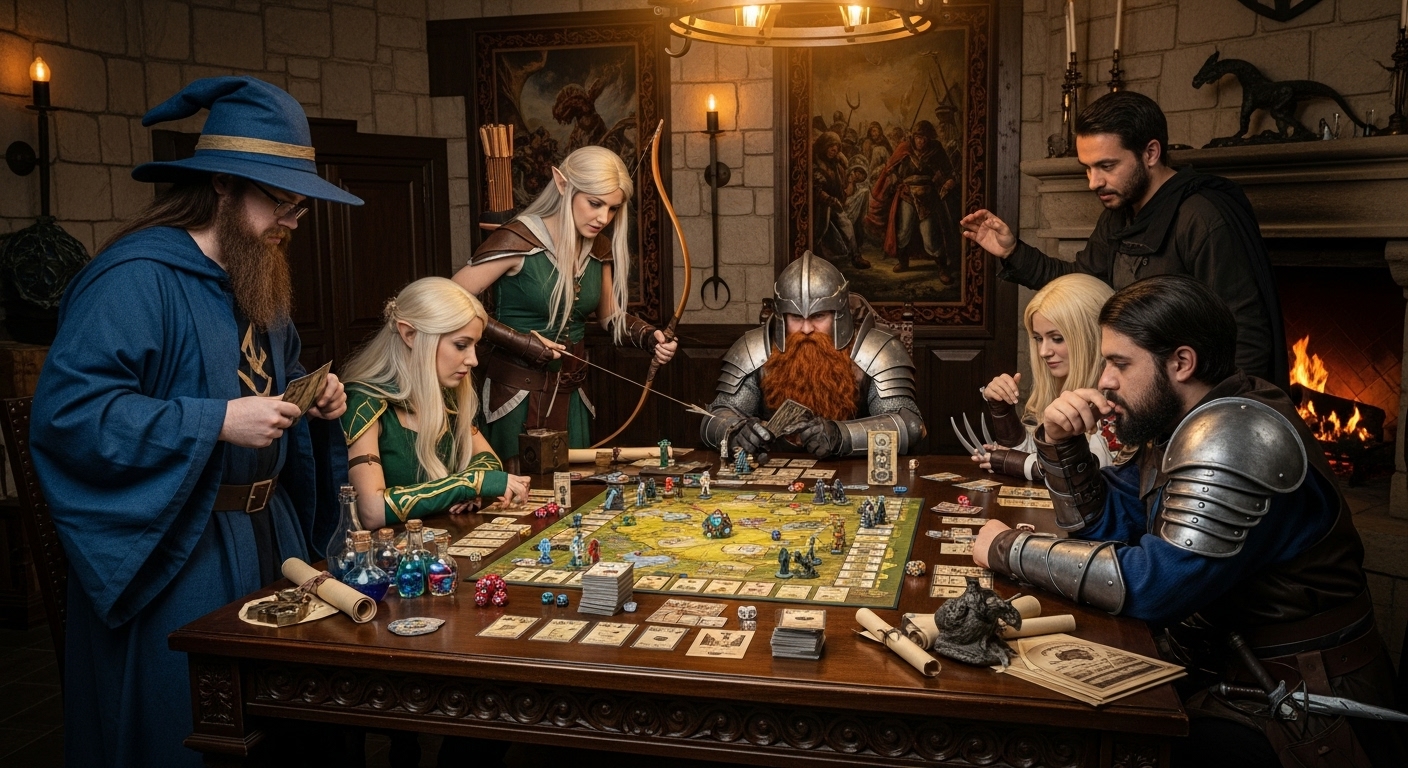
Video games and cosplay have always shared a special relationship, but in the past decade, the bond between these two worlds has grown stronger than ever before. Cosplay, the art of dressing up as characters from popular media, has expanded from niche fan conventions into a global phenomenon that influences gaming culture, marketing, and even the way certain games achieve fame. What was once considered a hobby for dedicated fans has now become a driving force in the popularity of video games, with cosplay communities helping titles reach new audiences and stay relevant long after release.
The rise of cosplay-driven game popularity is not just about costumes and conventions. It represents the merging of creativity, fandom, and community engagement. Developers now recognize the potential of cosplayers as cultural ambassadors, while fans themselves use their craft to bring digital characters to life, creating a powerful feedback loop that amplifies the visibility of games worldwide.
In this blog, we will explore how cosplay has evolved into a cornerstone of gaming culture, how it influences the popularity of specific titles, and why its role in the gaming industry will continue to grow in the years ahead.
The Evolution of Cosplay and Gaming
Cosplay originally emerged in the 1970s and 1980s, gaining traction through science fiction and anime conventions. Over time, gaming characters entered the spotlight, giving fans a new range of heroes, villains, and avatars to embody. Early cosplayers often created elaborate costumes from iconic franchises like Street Fighter, Final Fantasy, and The Legend of Zelda.
In the modern era, cosplay has become more accessible, thanks to online tutorials, crafting communities, and social media platforms. Gamers who once admired characters on-screen can now embody them in real life, often with stunning accuracy. This transformation has allowed cosplay to evolve from being a side attraction at conventions to a cultural force that shapes gaming trends and marketing strategies.
How Cosplay Amplifies Game Visibility
One of the key reasons cosplay drives game popularity is its ability to amplify visibility. A game that features unique or visually striking characters often benefits from cosplayers adopting those designs. Every time a cosplayer shares photos of themselves as a character, attends a convention, or participates in a competition, they essentially serve as free marketing for the game.
This visibility is particularly valuable for newer titles or indie games. A memorable costume can spark conversations, lead to viral photos, and attract players who might never have otherwise encountered the game. For example, a visually bold character design often inspires cosplayers to recreate it, and this in turn exposes the game to wider audiences through social media platforms, fan gatherings, and global cosplay competitions.
Character Design and Its Impact on Cosplay Culture
Character design plays a crucial role in how cosplay influences game popularity. Developers who prioritize distinctive aesthetics, creative costumes, and iconic visual elements often see their characters rise to prominence in cosplay communities. A well-designed character is not only fun to play but also fun to portray, and this drives more fans to engage with the game through cosplay.
Costumes with unique details, recognizable color palettes, or imaginative accessories tend to resonate most with cosplayers. Think of the ornate armor sets in fantasy RPGs, the cyberpunk flair of futuristic shooters, or the gothic attire in horror-inspired games. These designs invite creativity, encourage craftsmanship, and serve as inspiration for thousands of cosplayers around the world.
Social Media as a Bridge Between Games and Cosplay
The rise of social media platforms has completely changed how cosplay drives game popularity. Platforms dedicated to photos, videos, and live streaming allow cosplayers to showcase their creations to global audiences. A single viral cosplay post can generate massive attention for a game, introducing it to millions of people within days.
Gaming companies also recognize this potential. Many developers now share, repost, or highlight cosplayer content on official accounts, further validating and celebrating the cosplay community. This interaction builds stronger bonds between fans and developers while also ensuring ongoing exposure for the game. Social media has essentially turned cosplay into a form of influencer marketing, where passionate fans become representatives of the games they love.
Cosplay at Conventions and Its Influence on Gaming Trends
Conventions such as Comic-Con, Gamescom, and other international gaming expos provide platforms for cosplayers to shine. When a new game is released, developers often promote it through elaborate booths featuring live cosplayers dressed as the game’s characters. This practice not only entertains attendees but also creates lasting impressions that fuel interest in the title.
Meanwhile, fan-driven cosplay at conventions often reflects broader gaming trends. If a large number of attendees dress up as characters from the same game, it signals that the title has achieved cultural relevance. These visual displays of popularity contribute to the game’s reputation and can even influence the decisions of newcomers deciding which titles to play.
The Feedback Loop: Games Inspiring Cosplay, Cosplay Inspiring Games
The relationship between games and cosplay is cyclical. Games inspire cosplay by providing rich worlds, imaginative characters, and memorable designs. In turn, cosplay inspires games by demonstrating which characters resonate most with players. Developers often notice when a particular character becomes popular among cosplayers and use this feedback to inform future updates, merchandise, or sequels.
Some studios even design characters with cosplay in mind, knowing that elaborate costumes and distinctive visuals will encourage fans to bring them to life. This feedback loop strengthens the bond between creators and fans, making cosplay an integral part of how games achieve and sustain popularity.
Indie Games and Cosplay Popularity
While blockbuster titles with massive budgets naturally attract cosplay attention, indie games also benefit greatly from this trend. Indie developers often rely on community-driven marketing, and cosplay provides a perfect avenue for exposure. A single talented cosplayer can bring attention to an indie title, sparking curiosity and potentially boosting sales.
Indie games that feature unique art styles, quirky characters, or simple but recognizable designs often find themselves celebrated in cosplay communities. This grassroots promotion demonstrates how cosplay levels the playing field, allowing smaller studios to compete with larger publishers in terms of visibility.
Esports and Cosplay Integration
The world of esports has also intersected with cosplay culture. Competitive gaming events often include cosplay competitions or showcase professional cosplayers alongside the tournaments. This integration helps create a festive atmosphere that appeals not just to competitive players but also to casual fans who enjoy the spectacle of cosplay.
Games that thrive in esports, such as fighting games and team-based shooters, often see surges in cosplay popularity during major tournaments. Fans attending or streaming these events are introduced to characters not just as avatars in matches but as real-life costumes worn by talented cosplayers, further deepening their connection to the game.
Professional Cosplayers as Gaming Ambassadors
In recent years, professional cosplayers have emerged as influential ambassadors for gaming franchises. These individuals dedicate their careers to creating high-quality costumes, collaborating with game studios, and promoting titles at conventions, expos, and online campaigns. Their visibility and large fan bases help games reach new audiences far beyond traditional marketing.
Professional cosplayers often collaborate directly with developers for promotional campaigns, official photoshoots, and live appearances. By embodying characters in a highly polished way, they bring the game’s world to life and enhance its cultural presence. This professionalization of cosplay further cements its role as a driver of game popularity.
The Role of Streaming Platforms
Streaming platforms have further amplified the role of cosplay in gaming. Streamers often wear costumes of their favorite characters while broadcasting gameplay, creating an immersive and entertaining experience for viewers. This practice merges cosplay with live gaming content, offering both performance and interaction.
When a popular streamer cosplays a character from a game, it often generates massive interest in that title. The visual connection reinforces the game’s identity, making it more memorable and engaging for audiences. This merging of streaming culture and cosplay continues to expand the influence of cosplay on game popularity.
Cosplay Competitions as Cultural Celebrations
Cosplay competitions at gaming events are no longer small side attractions—they are major highlights. These competitions draw international attention, with participants showcasing elaborate costumes inspired by beloved game characters. The visibility of these competitions, often broadcast online, elevates the status of the games represented.
When a character consistently appears in cosplay competitions, it signals that the game has made a significant cultural impact. Developers often support or sponsor these events, knowing that showcasing their characters on such stages reinforces the popularity and relevance of their titles.
The Globalization of Cosplay-Driven Popularity
Cosplay-driven game popularity is not confined to one region. From North America to Europe to Asia, cosplay communities contribute to the global visibility of games. In countries like Japan, cosplay has long been intertwined with gaming and anime culture, while in Western countries, it has gained mainstream acceptance over the past decade.
This globalization ensures that games can achieve international success through cosplay exposure. A character design admired in one region may find equal love in another, spreading the game’s influence worldwide. The global nature of cosplay helps games transcend language and cultural barriers, uniting fans through shared creativity and passion.
Challenges and Criticisms
While cosplay-driven game popularity brings numerous benefits, it also faces challenges. Some critics argue that overemphasis on character design for cosplay appeal can overshadow gameplay innovation. Others highlight the issues of representation, as certain characters may be designed with unrealistic proportions or impractical outfits that make cosplay difficult or controversial.
Additionally, the commercialization of cosplay has raised questions about authenticity. Some fans worry that the professionalization of cosplay may shift focus away from grassroots creativity. Despite these challenges, the overall impact of cosplay on gaming remains largely positive, driving visibility, engagement, and community building.
The Future of Cosplay and Gaming
Looking ahead, cosplay’s influence on game popularity will likely continue to grow. With the rise of virtual reality, augmented reality, and digital avatars, cosplay may even expand into digital spaces where players embody characters not only at conventions but also in virtual gatherings.
Developers are increasingly designing characters with cosplay potential in mind, ensuring costumes are both visually striking and achievable for fans. Meanwhile, advancements in materials, 3D printing, and crafting techniques will empower cosplayers to create even more ambitious designs.
As gaming and cosplay evolve together, the line between digital and physical fandom will blur further, creating a future where cosplay is not just a fan activity but an integral part of gaming culture and industry success.
Conclusion
The rise of cosplay-driven game popularity represents one of the most exciting cultural developments in modern gaming. Cosplay has transformed from a niche hobby into a powerful force that influences visibility, community engagement, and even game development. Through conventions, social media, streaming, and professional collaborations, cosplayers have become ambassadors who bring characters to life and attract new audiences to the games they love.
This symbiotic relationship between cosplay and gaming highlights the importance of creativity, passion, and community in shaping modern entertainment. As cosplay continues to evolve and expand globally, its role in driving game popularity will only become stronger, ensuring that the worlds we explore on-screen are celebrated just as vibrantly in the real world.