
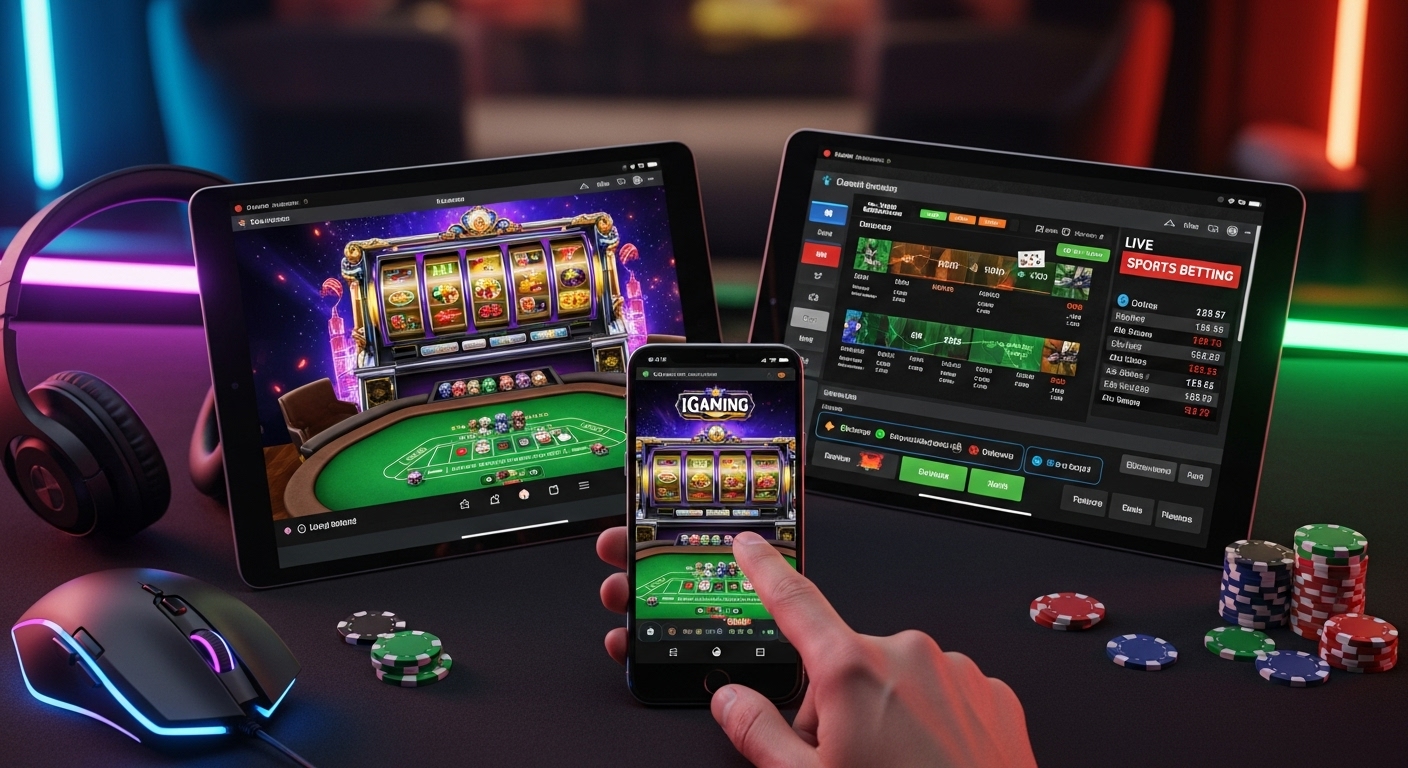
In recent years, the world of digital entertainment has undergone a massive transformation, with the rise of iGaming taking center stage. Short for internet gaming, iGaming refers to the vast industry of online gambling, betting, and gaming activities, offering everything from online casinos to sports betting, and virtual poker games. As technology continues to evolve, iGaming is quickly becoming one of the most popular and profitable sectors of the global entertainment industry. With millions of players around the world, this industry is not only growing at an unprecedented rate but is also changing the way people engage with gaming and gambling. In this blog post, we’ll explore the rapid rise of iGaming, its various forms, the technology behind it, and the future prospects of this digital phenomenon.
What is iGaming?
iGaming refers to the broad spectrum of online gambling activities that include online casinos, sports betting, virtual poker, lottery, and more. Unlike traditional land-based casinos, iGaming platforms allow players to engage in these activities from the comfort of their own homes or on the go, using devices like smartphones, tablets, and computers. The term “iGaming” has gained widespread recognition due to the expansion of the internet and the increasing accessibility of mobile technology, which has made online gaming more accessible than ever before.
Players can access a variety of gambling games, including classic casino favorites like blackjack, roulette, and slots, as well as newer offerings like live dealer games, virtual sports, and esports betting. Online sportsbooks allow users to place bets on a wide range of sporting events, from major leagues like the NFL and Premier League to niche events like esports tournaments or even political elections.
The convenience, variety, and technological advances in iGaming have fueled its popularity, especially in regions where online gambling is regulated and legalized. The ability to place a bet, spin a slot, or play a poker hand with just a few clicks has made online gaming accessible to a global audience.
The Growth of iGaming: Key Drivers
The rapid rise of iGaming can be attributed to several key factors, from the widespread adoption of smartphones to the development of secure online payment systems. Here are some of the primary drivers behind the iGaming boom:
1. Technological Advancements
Technology has played a pivotal role in the growth of iGaming. In the past decade, the development of faster internet speeds, more powerful mobile devices, and sophisticated software has transformed the online gaming experience. High-definition graphics, realistic animations, and seamless user interfaces have brought virtual casinos to life. Players now have access to immersive gaming experiences that closely mimic the atmosphere of land-based casinos, with features like live dealer games offering a more authentic experience.
Moreover, the integration of technologies such as Virtual Reality (VR) and Augmented Reality (AR) is expected to further elevate the iGaming experience, making it even more interactive and engaging.
2. Mobile Accessibility
Smartphones and mobile technology have undoubtedly played a major role in the expansion of iGaming. Players are no longer tied to a desktop computer when they want to play their favorite casino games or place a bet on a sporting event. Mobile apps for iGaming platforms allow users to play games, make deposits, and withdraw winnings on the go. This ease of access has resulted in a more widespread participation in iGaming across various age groups and demographics.
Mobile gaming has also encouraged the development of a new genre of games that are optimized for mobile play, offering shorter play sessions and easy-to-navigate interfaces that cater to players looking for quick entertainment.
3. Legalization and Regulation
Another significant factor in the rise of iGaming is the increasing number of countries and regions that are legalizing and regulating online gambling. The legalization of online casinos, sports betting, and poker in various jurisdictions has brought a level of legitimacy to the industry, attracting more players and boosting revenue. Countries like the United Kingdom, Spain, Canada, and certain U.S. states have established regulatory frameworks that ensure safe and secure online gambling, which has bolstered consumer confidence.
In regions where iGaming is regulated, operators are required to meet strict standards of fairness, security, and responsible gambling practices. This has created a safer environment for players, which has contributed to the industry’s growth.
4. Variety of Games and Betting Options
One of the most appealing aspects of iGaming is the sheer variety of options available to players. Online casinos typically offer hundreds, if not thousands, of different games, ranging from traditional table games like blackjack and baccarat to innovative video slots with unique features. The inclusion of live dealer games, where players can interact with real dealers in real-time, adds an additional layer of excitement to the experience.
Similarly, online sports betting platforms provide a wide array of betting options, from major events like the Super Bowl or the FIFA World Cup to niche sports and even virtual sports. This diversity allows iGaming platforms to cater to a broad audience, whether they prefer classic casino games or are more interested in betting on their favorite sports teams.
5. Bonuses and Promotions
In the competitive world of iGaming, operators often offer attractive bonuses and promotions to entice new players and retain existing ones. These incentives can range from welcome bonuses and free spins to loyalty programs and cashback offers. Players are drawn to these promotions because they increase their chances of winning and provide additional value to their gaming experience.
Bonuses and promotions have also contributed to the rapid expansion of iGaming, as they serve as a form of marketing that spreads awareness and attracts a global player base. This aspect of iGaming has become essential in creating a loyal and engaged customer base.
The Various Forms of iGaming
iGaming encompasses a wide range of gambling and gaming activities, each with its own set of rules, player preferences, and strategies. Let’s explore the different forms of iGaming in greater detail:
1. Online Casinos
Online casinos are one of the most popular forms of iGaming, offering a variety of traditional casino games like blackjack, roulette, baccarat, and poker, as well as modern video slots with various themes and gameplay mechanics. Players can choose to play for real money or simply enjoy the games in “demo” mode, where no real money is at stake.
Live dealer games have become increasingly popular, offering players the opportunity to interact with real-life dealers via video streaming. These games, which include blackjack, roulette, and poker, create a more immersive experience that closely resembles playing in a brick-and-mortar casino.
2. Sports Betting
Sports betting has seen significant growth in recent years, with iGaming platforms allowing players to bet on a wide range of sports, from football and basketball to horse racing and esports. Bettors can place wagers on individual games, tournaments, or even entire seasons, and many platforms also offer live betting, where odds change in real-time as the event progresses.
The integration of mobile apps has made sports betting more accessible, allowing players to place bets from anywhere at any time. Additionally, many platforms now provide in-depth statistics, odds analysis, and betting tips to help players make informed decisions.
3. Poker and ePoker
Poker is another staple of iGaming, with online poker rooms offering both cash games and tournament play. Virtual poker games are often played with digital chips, but the mechanics of the game remain the same as in traditional poker. Texas Hold’em, Omaha, and Seven Card Stud are some of the most popular variations of the game available.
Esports betting has emerged as a sub-genre of iGaming, where players can bet on competitive video gaming events. Esports has exploded in popularity, and betting on esports tournaments has become a thriving niche within the broader iGaming industry. Games like “League of Legends,” “Counter-Strike: Global Offensive,” and “Dota 2” have massive fan bases, and betting platforms allow fans to wager on their favorite teams and players.
4. Virtual Sports and Fantasy Sports
Virtual sports are simulated events that resemble real-world sports, but instead of relying on actual athletes, the results are determined by a random number generator (RNG). These games are available 24/7, providing non-stop entertainment for bettors who are looking for instant action.
Fantasy sports, particularly fantasy football, have also contributed to the growth of iGaming. Players create virtual teams based on real athletes and compete based on the athletes’ performance in actual games. Fantasy sports platforms have become a popular form of online gaming, especially during major sports seasons.
The Future of iGaming: Trends and Innovations
As iGaming continues to grow, the future looks bright for this dynamic sector. Here are some of the key trends and innovations that are likely to shape the industry in the years to come:
1. Increased Regulation
As the popularity of iGaming continues to rise, governments around the world are likely to implement stricter regulations to ensure fairness, security, and responsible gambling practices. This could involve more comprehensive licensing processes, better consumer protection measures, and enhanced safeguards against fraud and money laundering.
2. The Integration of Blockchain Technology
Blockchain technology has the potential to revolutionize iGaming by making transactions more transparent and secure. Cryptocurrencies like Bitcoin are already being accepted as payment methods on many iGaming platforms, and blockchain could be used to verify the fairness of games, ensuring that outcomes are not manipulated. Additionally, blockchain could improve the withdrawal process, making it faster and more efficient.
3. Virtual and Augmented Reality
Virtual and augmented reality technologies are poised to transform the iGaming landscape, offering players the ability to step into fully immersive gaming worlds. VR casinos, VR poker rooms, and VR sports betting could provide players with an entirely new level of interaction and realism, creating a more engaging and exciting experience.
4. Artificial Intelligence and Machine Learning
AI and machine learning technologies are already being used to enhance the user experience in iGaming platforms. From personalized game recommendations to advanced fraud detection systems, AI is improving security, player engagement, and the